
Chronic inflammation is now linked to nearly every major modern health concern—from heart disease and metabolic dysfunction to joint pain, gut issues, brain fog, and accelerated aging. While single ingredients can help, the real breakthroughs in functional nutrition happen when multiple evidence-backed ingredients work together synergistically.
Shop Now
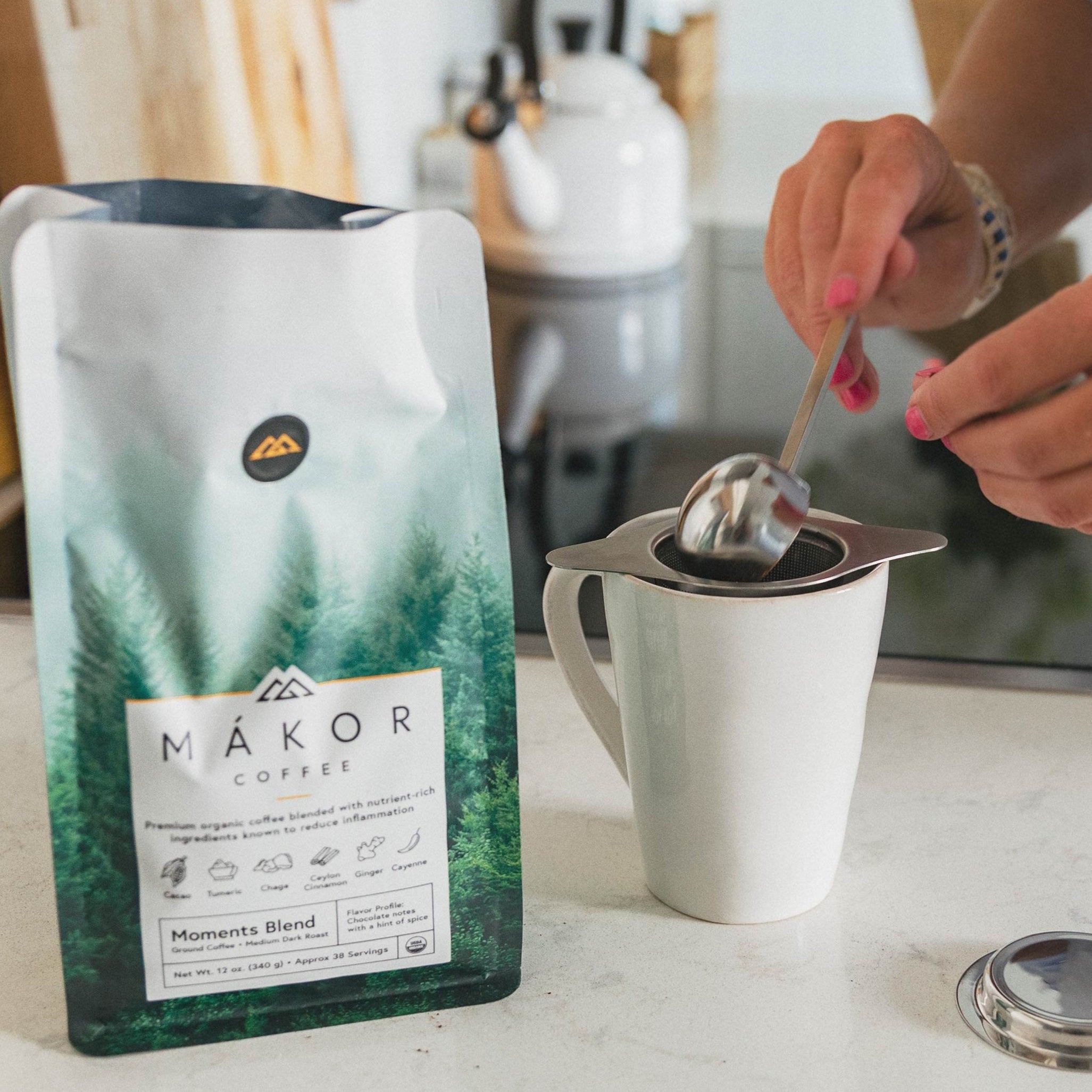
That’s exactly what happens when cacao, turmeric, Ceylon cinnamon, cayenne, chaga mushroom, and ginger are intentionally combined with high-quality coffee. This isn’t just flavor layering—it’s biological stacking, where each ingredient targets inflammation through a different pathway.
Below, we break down why this specific combination works so exceptionally well, how it creates true anti-inflammatory coffee, and why this formulation supports the entire body—daily, naturally, and consistently.
First: Why Inflammation Is the Real Problem
Inflammation is not inherently bad. It’s a protective response. The issue is chronic, low-grade inflammation, which quietly disrupts:
-
Blood sugar and insulin signaling
-
Cardiovascular and circulatory health
-
Joint and connective tissue function
-
Gut lining and microbiome balance
-
Brain health and cognitive resilience
-
Immune system regulation
Modern stress, ultra-processed foods, poor sleep, environmental toxins, and sedentary lifestyles keep inflammatory pathways constantly “switched on.”
This is why the goal is not to eliminate inflammation, but to restore balance across the systems that regulate it.
Why Coffee Is the Perfect Anti-Inflammatory Base
Coffee is already one of the most antioxidant-rich beverages consumed worldwide. Its natural polyphenols and bioactive compounds are associated with:
-
Reduced systemic inflammation markers
-
Lower risk of cardiovascular disease
-
Improved metabolic and insulin function
-
Lower all-cause mortality
Coffee acts as a metabolic activator and antioxidant carrier, making it the ideal foundation for delivering other anti-inflammatory compounds consistently—every single day.
The Anti-Inflammatory Synergy: What Each Ingredient Contributes
Each ingredient in this formulation targets a different inflammatory pathway, which is why the combination is far more powerful than any one ingredient alone.
1. Cacao — Vascular & Oxidative Stress Protection
Cacao is rich in flavanols and polyphenols, which:
-
Improve blood vessel function
-
Reduce oxidative stress
-
Support cardiovascular health
-
Support insulin sensitivity
Cacao protects the vascular and metabolic systems—two of the most inflammation-sensitive networks in the body.
2. Turmeric — Master Inflammation Regulator
Turmeric’s primary active compounds, curcuminoids, are among the most studied natural anti-inflammatory agents in the world. Turmeric:
-
Modulates inflammatory signaling at the cellular level
-
Supports joint, muscle, and connective tissue health
-
Supports brain and neurological inflammation balance
-
Helps regulate immune-driven inflammation
Turmeric acts as a central inflammation “dimmer switch,” rather than a blunt suppressor.
3. Ceylon Cinnamon — Blood Sugar & Metabolic Inflammation Control
Ceylon cinnamon (true cinnamon) supports:
-
Improved insulin sensitivity
-
Lower inflammatory stress tied to blood sugar spikes
-
Cardiovascular protection
-
Antioxidant and antimicrobial activity
Unlike common cassia cinnamon, Ceylon is naturally low in coumarin, making it safe for daily functional use. It primarily targets metabolic and glycemic-driven inflammation, one of the root causes of chronic disease.
4. Cayenne Pepper — Circulation & Thermogenic Inflammation Support
Cayenne’s bioactive compound, capsaicin, supports:
-
Increased circulation and oxygen delivery
-
Vasodilation and nutrient transport
-
Thermogenesis and metabolic activation
-
Neurological pain and inflammatory signaling modulation
Cayenne improves inflammatory waste removal and nutrient delivery, ensuring the other compounds circulate efficiently through the body.
5. Chaga Mushroom — Immune Modulation & Cellular Defense
Chaga is one of the most antioxidant-dense natural substances known. It delivers:
-
Immune system modulation (not overstimulation)
-
Deep cellular antioxidant buffering
-
Inflammation and oxidative stress reduction
-
Gut–immune system support
Chaga protects at the cellular and immune-system level, where chronic inflammation often silently begins.
6. Ginger — Digestive, Joint & Systemic Inflammation Support
Ginger’s bioactive compounds, gingerols and shogaols, support:
-
Digestive and gut inflammation balance
-
Joint and muscle recovery
-
Circulation and cardiovascular signaling
-
Immune and antimicrobial defense
Because so much inflammation originates in the gut, ginger plays a critical role in calming inflammation at its digestive source.
Why These Ingredients Work So Exceptionally Well Together
This formulation works because it addresses inflammation from multiple biological angles at once:
| Inflammatory Driver | Ingredient Targeting It |
|---|---|
| Oxidative stress | Cacao, Chaga, Coffee |
| Immune dysregulation | Chaga, Turmeric, Ginger |
| Blood sugar spikes | Ceylon Cinnamon |
| Poor circulation | Cayenne, Cacao |
| Joint & muscle inflammation | Turmeric, Ginger |
| Gut-derived inflammation | Ginger, Chaga |
| Metabolic inefficiency | Cayenne, Cinnamon, Coffee |
Rather than overloading one pathway, this strategy layers gentle, complementary regulation across all major inflammatory systems. This is what allows the blend to be effective without being harsh, overstimulating, or supplement-like.
Why This Works Better Than Supplements Alone
Many people attempt to fight inflammation with isolated supplements taken inconsistently. The problem is:
-
Most supplements are sporadic
-
Absorption varies widely
-
Compliance drops over time
-
Many stack poorly together
By contrast, coffee is a non-negotiable daily ritual. When anti-inflammatory compounds are delivered through a habit that already exists, the result is:
-
Higher long-term consistency
-
Better cumulative biological impact
-
More stable inflammation regulation over time
This is why anti-inflammatory coffee works when supplements often fail—because it’s easy to sustain.
Why Màkor Coffee Uses This Complete Anti-Inflammatory Stack
Most functional coffees rely on one or two “hero” ingredients at trace levels. Màkor Coffee takes a different approach: a full-spectrum anti-inflammatory formulation using real, whole-food ingredients that work together systemically:
-
Organic coffee as the antioxidant and metabolic foundation
-
Real cacao for vascular and metabolic protection
-
Whole turmeric for joint, brain, and immune inflammation balance
-
Ceylon cinnamon for daily blood sugar regulation
-
Cayenne for circulation and nutrient delivery
-
Chaga for immune modulation and cellular defense
-
Ginger for digestive, joint, and systemic inflammation support
Rather than chasing trends, Màkor built a formulation that addresses the root drivers of inflammation—daily, naturally, and consistently.
Is Anti-Inflammatory Coffee Actually Effective?
Yes—when it is built on whole foods, functional dosing, and true synergy, anti-inflammatory coffee supports:
-
Lower chronic inflammatory burden
-
Better blood sugar and metabolic function
-
Improved circulation and cardiovascular health
-
Enhanced immune and gut resilience
-
Joint comfort and recovery
-
Sustained energy without crashes
Unlike quick-fix detoxes or harsh stimulant drinks, this approach focuses on long-term biological regulation, not short-term stimulation.
Turning Coffee Into a Daily Anti-Inflammatory Ritual
Most people drink coffee on autopilot. Very few use it as a daily inflammation-regulating tool.
When cacao, turmeric, Ceylon cinnamon, cayenne, chaga, and ginger are combined intentionally, coffee becomes more than a beverage—it becomes a daily systems-support ritual that works quietly in the background of your life.
Shop Now